91.4% success rate*
*Based on Peak Podiatry patient outcomes. Individual results vary.

A short clip from one of our podiatrists explaining what's going on with a thickened nail.
“I was treated by Robert for nail fungal... He was very professoonal and advised me on aftercare also....would highly recommend this clinic....”
Google review, Galway clinic
“Was here yesterday with Stephen, what a nice guy, very kind and a great lad to have a conversation with, very knowledgeable… he cut my nails and guided me through some extra foot care to keep the healing going. I travelled from cork and I will do it again as it was a great clinic.”
Trish, Google review, Galway clinic
“Met Robert last Friday, what a lovely guy as a podiatrist. Great manner, very chatty, did exactly what I needed, leaving me pain free. I will definitely be back!”
Google review, Galway clinic
Read all reviews on Google: Galway →Read all reviews on Google: Limerick →
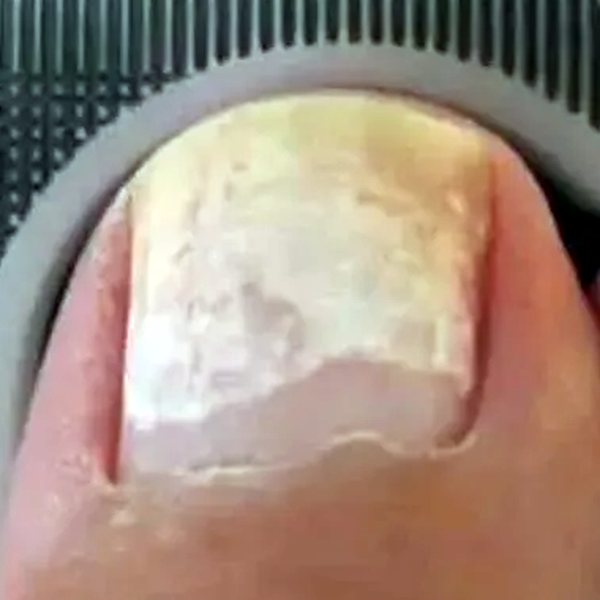
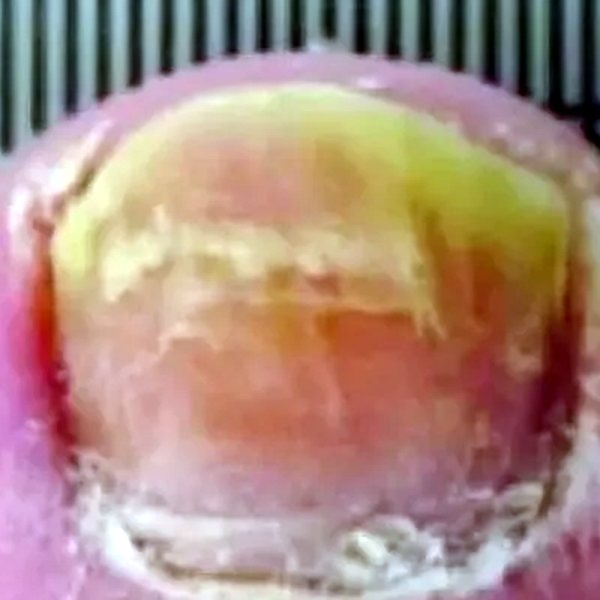
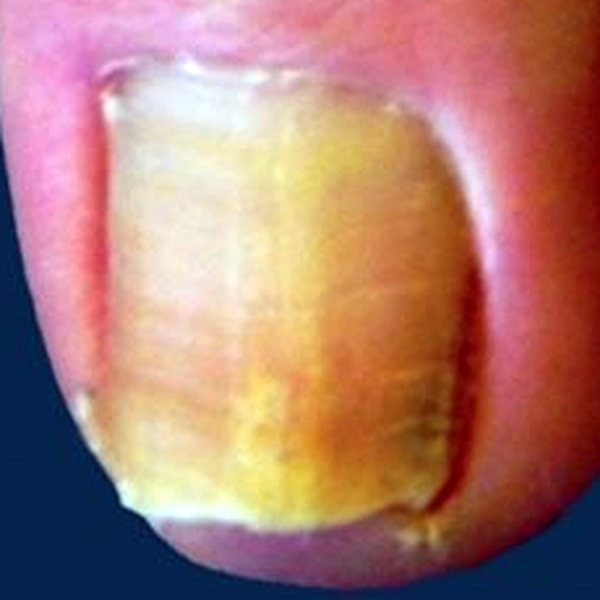
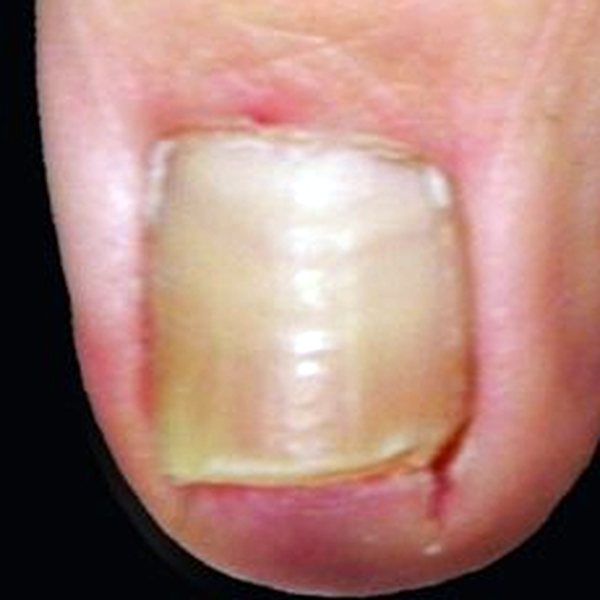
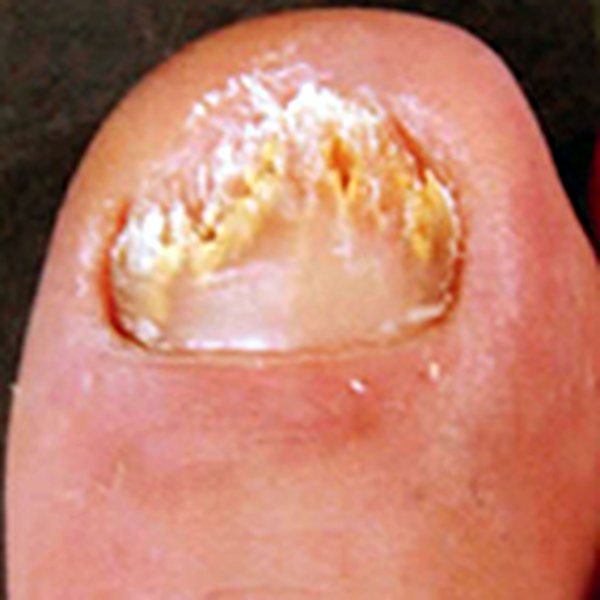
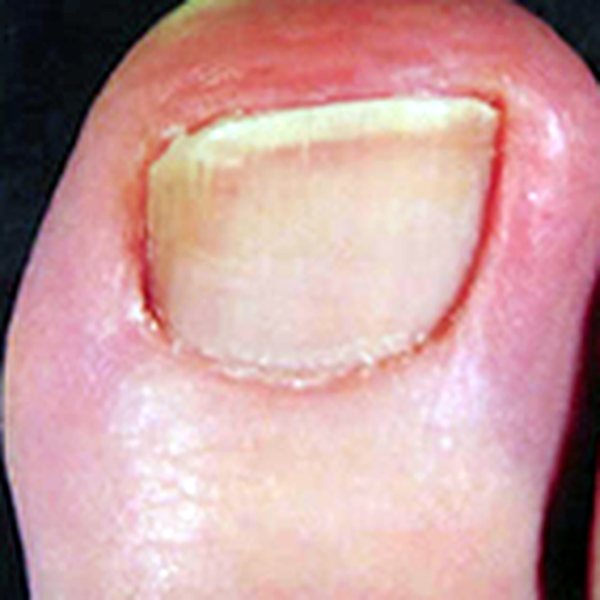
Only about half of nails that look fungal actually are. An old knock, shoe pressure or psoriasis can look the same, and no antifungal will shift those.
Creams and paints have to soak through the nail, which is hard once it's thick. They usually need 6 to 12 months of daily use.
Footwear, foot hygiene and the way you walk all play a part. If nobody looks at those, it can keep coming back.
Sources: NHS, "Fungal nail infection"; Merck Manual Professional, "Nail Dystrophies".
Our Galway clinic uses a Class 4 laser for fungal nails. It's one of several options your podiatrist may suggest once they've confirmed what the nail actually is.
How it works, in plain words: the laser sends concentrated light into the nail. That light turns into heat, which warms the nail and the tissue underneath where the fungus lives. Heat is what the fungus can't tolerate. Nothing is cut and there are no creams to remember.
A session usually takes about 20 to 30 minutes. Most people describe a warming feeling during it. Because toenails grow slowly, the clearer nail takes months to grow out from the base, so your podiatrist will be straight with you about timescales from the start.
Not always, and that's why we assess first. Depending on what we find, options can also include thinning the nail, prescription treatment, or in severe cases nail surgery. You'll get a clear recommendation, and you decide.
Sources: peakpodiatry.ie/fungal-nails; Peak Podiatry blog, "Fungal Nail Treatment in Galway: Why We Love Laser Therapy".
How long it's been there, what you've tried and for how long, and what bothers you most.
The nail and the skin around it, your footwear, foot hygiene, the way you walk, and any old injury to the nail.
Whether it looks fungal or like something else, in plain English.
What each option involves and how long it usually takes, with full fees given before anything starts, plus advice to help stop it coming back.
Nothing is done without your OK. If treatment makes sense, we'll tell you. If it doesn't, we'll tell you that too.
91.4% success rate*
*Based on Peak Podiatry patient outcomes. Individual results vary.
Book online for either clinic, or call one team for both: 091 734 140.
Unit 8D, Liosban Business Park, Tuam Road, Galway
Free parking right outside · Class 4 laser available
Unit B1, Charlotte's Quay, Limerick V94 F3FC
Late appointments available on some evenings
Honestly, nobody can promise that before they've seen the nail. What we can do is find out what it is and give you a straight view of what's likely with each option. Toenails grow slowly, so any change takes months to show.
That's a perfectly good route for some people. GPs may test a sample first, tablets can take a few months, and some people need blood tests while on them. If you'd like, we can look first so you know what you're dealing with before you decide.
That's really common. Creams need to soak through the nail for 6 to 12 months, and sometimes the nail isn't fungal at all. We'll look at why it hasn't worked and talk you through the other options.
Your fee is shown when you pick a time online, or just ring the clinic. If treatment is suggested, you'll get the full cost before anything starts, so there are no surprises. Some health insurance plans give money back on podiatry, so it's worth checking yours.
Most people describe a warming feeling. Your podiatrist will explain exactly what to expect beforehand, and nothing is done without your OK.
Please don't wait for a routine slot. Ring the clinic, and if it gets worse contact your GP or out-of-hours service. This matters even more if you have diabetes.
Choose your clinic and pick a time that suits. It takes about a minute.